Top Tips for Choosing the Best Hacksaw Slots for Your DIY Projects and Metalworking Tasks
Understanding Hacksaws
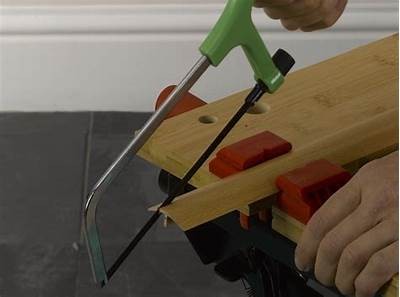
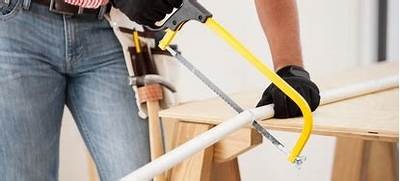
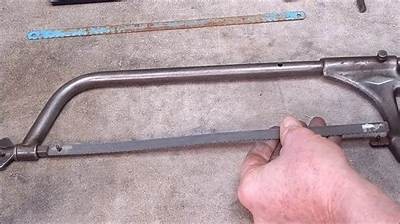
Hacksaws are essential tools for anyone engaged in DIY projects or metalworking tasks. They are designed to cut metal, plastic, and sometimes even wood, depending on the blade used. Understanding the different components of a hacksaw and their functionalities is crucial for making the best selections for your projects. A standard hacksaw comprises several key components: the frame, the handle, the blade, and the tensioning mechanism. The frame holds the blade in place while providing you with a sturdy grip through the handle. Each component serves a specific purpose, and understanding this will help you choose the right hacksaw for your needs. When choosing a hacksaw frame, consider the size, weight, and material of the frame. Standard frames come in different sizes ranging from 10 inches to 12 inches in length. A lightweight frame is easier to maneuver, but a heavier frame often provides more stability, which can be beneficial for precise cuts. Not all hacksaw blades are created equal. Blades come in various teeth per inch (TPI) configurations, material types, and designs. For instance, a blade with a higher TPI count is ideal for cutting thin materials, whereas a lower TPI count is suited for thicker metals. Knowing your materials will help you choose the correct blade for effective cutting. Hacksaw blades are usually made from high-carbon steel, bi-metal, or even carbide-tipped materials. High-carbon steel blades are ideal for occasional use, while bi-metal blades are more durable and suitable for extended projects. Choosing the right material based on your frequency of use and the material you are cutting can significantly affect your cutting results. The tensioning mechanism of a hacksaw plays a vital role in ensuring clean cuts. A well-tensioned blade leads to improved cutting efficiency and reduces the risk of blade breakage. Learning how to properly tension the blade in relation to the material you are cutting can enhance your overall cutting experience.
Ergonomics and Handle Design
The design of the hacksaw handle impacts comfort during use. An ergonomically designed handle provides better grip and reduces hand fatigue during extended cutting tasks. Look for handles that are cushioned and relatively contoured to fit the hand naturally, as comfort will lead to enhanced control and precision.
Cutting Techniques
Employing the right cutting technique is equally important as having the right tool. Ensure that you maintain a steady and controlled motion during cutting, applying consistent pressure without forcing the saw. This technique will not only improve the quality of cuts but also prolong the life of the blade.
Maintenance Tips for Long-lasting Hacksaws
Like any other tool, maintenance is key to prolonging the life of your hacksaw. Regularly inspect your blade for signs of wear and replace it as necessary. Additionally, clean the frame and handle to keep your tools in optimal condition. A well-maintained hacksaw is essential for maintaining efficiency in your cutting tasks.
DIY Projects and Hacksaw Applications
There are countless DIY projects where a hacksaw can be indispensable. From building custom furniture to crafting metal art, the versatility of hacksaws allows for various applications. This tool is especially valuable for hobbyists and professionals needing precision in their work.
Safety Considerations When Using Hacksaws
Safety should always be a priority when using any cutting tool, including hacksaws. Always wear appropriate safety gear, such as goggles and gloves, to protect yourself from sharp blades and flying debris. Educating yourself on the safe use of these tools will provide a better cutting experience while minimizing risks.
Conclusion: Making the Right Choice
Choosing the best hacksaw for your DIY projects or metalworking tasks doesn’t have to be overwhelming. By considering factors such as blade type, frame, tension, and ergonomics, you can make an informed choice that will enhance your cutting efficiency. Remember that proper techniques and maintenance play pivotal roles in ensuring your hacksaw serves its purpose effectively.
Tags