The Battle of Monte Cassino, a series of four fierce battles fought between January and May of 1944, is often regarded as one of the most significant military confrontations in World War II. This battle not only had a tremendous impact on the course of the war in Italy but also carries great historical significance that extends beyond its immediate military outcomes. This essay aims to explore the multi-faceted impact of the Battle of Monte Cassino, considering its strategic importance, the human cost, and its implications for post-war Europe. Monte Cassino, a hilltop abbey in Italy, was a focal point in the German defensive line known as the Gustav Line. Controlling this area was crucial for the Allies, as it served as a vital route to Rome. The German forces fortified their positions around Monte Cassino with elaborate defenses, making any Allied attempt to seize the town incredibly challenging. The strategic importance of Monte Cassino cannot be overstated; its capture was imperative for the Allies to advance into mainland Italy and ultimately liberate Rome. The series of battles at Monte Cassino demonstrated the complexity and intensity of warfare during World War II. Initially, the Allies attempted a frontal assault against well-fortified German positions, a strategy that resulted in heavy casualties without significant gains. The failure of the first assault led to a reevaluation of tactics, incorporating air power and artillery bombardments. However, these tactics also resulted in the tragic destruction of the historic Monte Cassino Abbey, a symbol of cultural heritage, which sparked controversy and moral dilemmas surrounding warfare. The battle ultimately highlighted the brutal realities of war and the costs associated with military strategies aimed at achieving objectives at any cost. The Battle of Monte Cassino exacted a heavy toll on both Allied and Axis forces, with estimates of total casualties ranging from 100,000 to 200,000 soldiers. This staggering loss of life underscores the often-overlooked human cost of warfare. Soldiers from various backgrounds and nationalities fought in this battle, illuminating the diverse tapestry of the Allied forces; however, this diversity did not shield them from the harsh realities of the battlefield. The emotional and psychological scars left on veterans and their families are a testament to the long-lasting impact of the conflict. Furthermore, significant civilian casualties and suffering occurred in the nearby communities due to military actions, raising ethical questions about the consequences of war on non-combatants. The Allied victory at Monte Cassino was a pivotal moment in the Italian Campaign, leading to the liberation of Rome on June 4, 1944. The successful capture of this strategic point had several implications for post-war Europe. It effectively weakened German forces in Italy, contributing to their eventual downfall. Moreover, the Allied success in Italy set a precedent for future operations in Western Europe, illustrating that systematic planning, collaboration among forces, and determination could yield favorable outcomes. The liberation of Rome, steeped in historical significance, shifted the dynamics of the war and reshaped the future of Italy and the wider European landscape following the conclusion of World War II. The destruction of Monte Cassino Abbey during the battle carries profound cultural and historical significance. The abbey, founded in 529 AD, was an architectural masterpiece and a symbol of Christian heritage. Its destruction not only represented a major loss of cultural history but also sparked debates about the morality of bombing historic landmarks during wartime. The aftermath of the battle saw the rebuilding of the abbey, symbolizing resilience and the desire to preserve cultural identity in the face of destruction. The restoration effort itself became a metaphor for hope and renewal in post-war Europe, as nations sought to rebuild their war-torn landscapes and recover from the devastation of conflict.
In the years following World War II, the legacy of the Battle of Monte Cassino continued to resonate. Today, it serves as a poignant reminder of the horrors of war and the sacrifices made during the conflict. The battlefield has become a site of commemoration, with memorials dedicated to the soldiers who fought and died there. Annual ceremonies attract veterans, historians, and tourists alike, emphasizing the importance of remembrance and education about the past. The battle also holds lessons for contemporary military strategy, highlighting the need for careful consideration of the costs and consequences of warfare.
In conclusion, the Battle of Monte Cassino stands as a significant chapter in the narrative of World War II. Its strategic importance, staggering human cost, and cultural implications have shaped its historical significance. The outcomes of this battle not only influenced the course of the war in Italy but also left an indelible mark on post-war Europe. As we reflect on the legacy of Monte Cassino, it is essential to recognize the sacrifices made by those who fought and to ensure that the lessons learned from this tumultuous period continue to inform our understanding of conflict and its profound effects on humanity.
```
The Historical Significance and Impact of the Battle of Monte Cassino in World War II
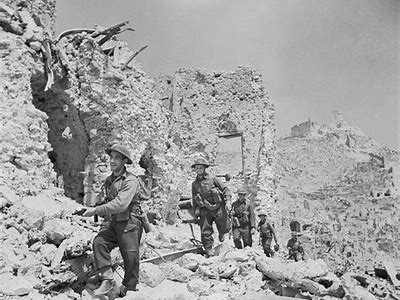
Strategic Importance of Monte Cassino

Military Strategies and Tactics Used
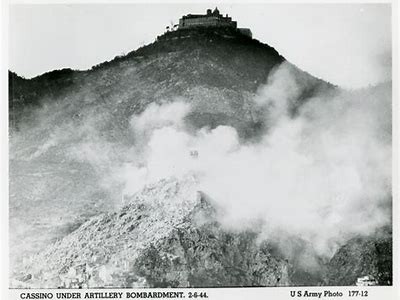
The Human Cost of the Battle
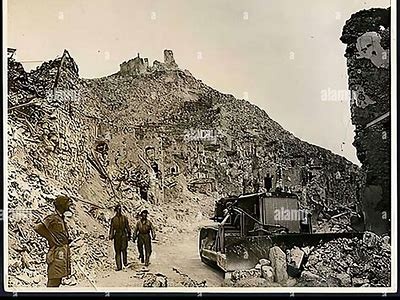
Implications for Post-War Europe
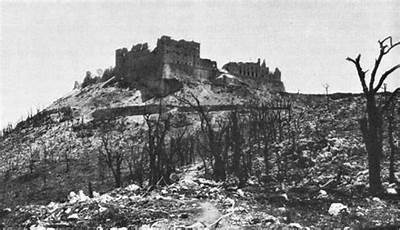
Cultural Significance of the Abbey
Legacy of the Battle of Monte Cassino
Conclusion