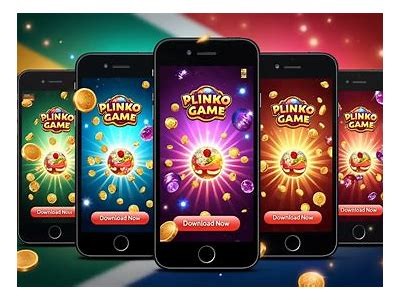
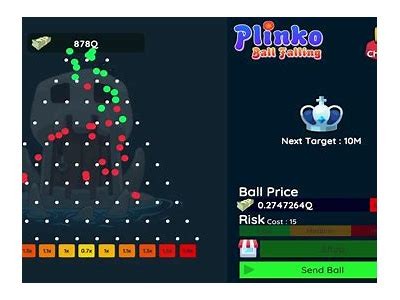
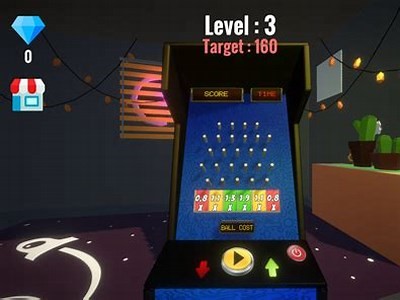
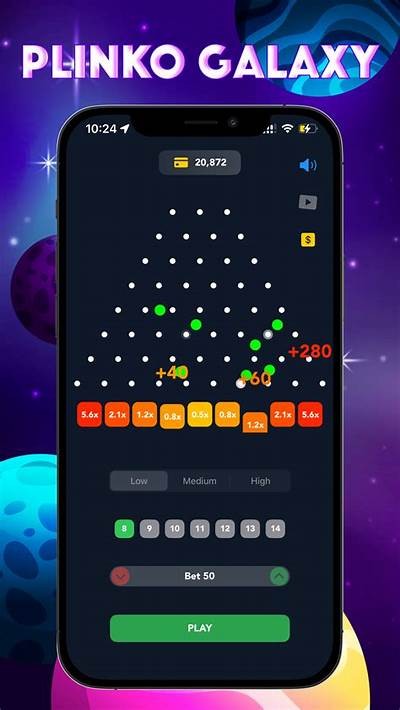
The gaming industry has seen a remarkable evolution over the past few decades. With the rise of digital platforms and online gaming, genres and concepts have diversified beyond the traditional frameworks. One particular game that highlights these changes is the Plinko game, a popular staple in game shows that has transcended its original setting to become a significant aspect of various online gaming platforms. In this article, we will explore the Plinko game, its mechanics, and the concept of fake money that often accompanies it. Plinko first gained fame on the American television show "The Price Is Right," where contestants drop discs down a vertical board studded with pegs. As the discs travel downward, they bounce off the pegs, resulting in unpredictable outcomes as they arrive at different prize slots at the bottom. The game was not only engaging due to its random yet systematic nature but also because it allowed players to stake their rewards based on chance. Over time, it transitioned from the television screen to various online gaming platforms, where it has maintained its charm. The mechanics of Plinko are relatively straightforward yet intricately designed to keep players engaged. The player begins by choosing a certain number of discs to drop onto the board. Each disc's path is influenced by the pegs it encounters, and players must embrace the uncertainty of where their discs will land. Different slots at the bottom offer varying rewards, with some being higher than others. One of the appealing aspects of Plinko is its accessibility; players of all ages can understand and enjoy the game. This wide appeal is significant for its integration into various gaming websites and casinos, where it can attract a broad audience. In many online games, including Plinko, the use of fake money or in-game currency has become a common practice. Fake money refers to non-real currency that players accumulate as they enjoy the game. This currency can typically be used to make in-game purchases, unlock features, or gamble further within the gaming environment. While real money transactions may occur for buying additional fake money or items, the gameplay itself often revolves around the use of this virtual currency. The allure of fake money lies in its ability to enhance the gaming experience. Players can take risks without the fear of losing real-world finances. It allows for experimentation and exploration within the game. However, the economics of fake money can be intricate, as it raises questions about player investment, reward systems, and potential emotional impacts.
The incorporation of fake money into gaming not only changes the financial dynamics of a game but also influences players’ psychology. Players often feel a sense of achievement when they accumulate substantial amounts of fake money, even though it holds no real-world value. This phenomenon can contribute to a sense of belonging and accomplishment, which gaming often strives to create.
Despite the enjoyment fake money can bring, it is not without risks. Players may develop unhealthy relationships with the idea of money within gaming. The thrill of 'winning' fake currency can lead to excessive play and potentially harmful gambling behaviors when real money is involved. As such, the gaming industry is increasingly scrutinizing how fake money is utilized and how it may influence players, especially younger audiences.
As technology continues to advance, the evolution of games like Plinko will likely progress alongside it. The implementation of virtual reality and augmented reality may offer players an immersive experience that enhances the Plinko gameplay tenfold. Additionally, the future of fake money in gaming could lead to more innovative approaches to user engagement and player economics.
Moreover, with regulations and discussions around gambling laws progressing, gaming companies will need to adapt their models. Finding a balance between profitable fake money systems and responsible gaming practices will be crucial as the industry continues to grow.
In summary, the Plinko game is more than just a simple form of entertainment; it represents a fascinating intersection of chance, psychology, and game design. The concept of fake money adds another layer of complexity to not only the game itself but also to how players interact with the gaming world. As we move forward, understanding these concepts will be vital for developing more responsible and engaging gaming experiences.
As players, game developers, and regulators all contribute to this evolving landscape, the future of games like Plinko will undoubtedly reflect our changing perceptions of money, risk, and reward in virtual spaces.
Exploring the Plinko Game: Understanding the Concept of Fake Money in Gaming
The Origins of Plinko
Understanding the Mechanics of Plinko

Fake Money: A Concept in Gaming Economics
The Psychological Aspect of Fake Money
Risks Associated with Fake Money
The Future of Plinko and Fake Money in Gaming
Conclusion
Tags