The concept of good versus evil has been a central theme in various cultures and religions throughout history. The dichotomy of angels as embodiments of purity and sinners as representatives of moral failure creates a rich narrative tapestry that continues to resonate in contemporary society. This article delves into the eternal struggle between these forces, examining their relevance in modern contexts and the implications for human behavior and moral philosophy. The archetypes of angels and sinners derive from religious texts and mythologies that date back thousands of years. In Judeo-Christian traditions, angels are often seen as messengers of God, guides for humanity, and protectors of goodness. Sinners, on the other hand, represent the fallibility of human nature, the temptation to deviate from moral pathways. This tension between the divine and the earthly, the sacred and the profane, forms the foundation of countless stories, artworks, and ethical discussions. Today, the struggle between angels and sinners is not confined to religious texts. It is everywhere – in literature, films, and even in the daily lives of individuals. This modern manifestation often focuses on the internal conflicts faced by people: the temptation to engage in morally questionable behaviors versus the desire to lead a righteous life. Modern narratives encapsulate this struggle, portraying characters who embody both angelic and sinful traits, often leading to richer, more complex storytelling. In our current context, angels can be represented by individuals and movements that strive to foster kindness, understanding, and hope. Organizations dedicated to humanitarian efforts exemplify angelic endeavors – from charities that help the underprivileged to individuals who go out of their way to assist others in times of need. The symbolism of angels as saviors persists, providing a beacon of light in a world frequently overshadowed by adversity. Conversely, the 'sinners' of today are not merely defined by their wrongdoings but by the complexities and circumstances that lead to their actions. Factors such as socio-economic status, mental health, and societal pressures often contribute to individuals’ choices. Exploring these elements provides a more nuanced understanding of what it means to be 'sinful' in a contemporary context, where morality is not always black and white. Literature and media serve as mirrors that reflect societal values and dilemmas. Characters who embody the struggle between angels and sinners become vehicles for exploring deeper truths about human nature. From classic novels to modern films, these narratives challenge audiences to confront their beliefs, prejudices, and moral dilemmas. Such stories compel viewers and readers to consider the impacts of their choices and the inherent dualities of their own characters.
In the age of technology, the struggle between angels and sinners has taken on new dimensions. Social media has become a battleground for ideals, where individuals often project their 'angelic' personas while grappling with darker impulses. The anonymity of the internet can lead to a disconnection between moral responsibility and actions, creating a space where sinful behaviors can flourish without immediate consequence. Understanding these dynamics is crucial in navigating the complexities of modern morality.
The exploration of angels and sinners also invites philosophical inquiry. What constitutes goodness? Is it an inherent quality, or is it shaped by societal norms? Philosophers have long debated the nature of right and wrong, and the dichotomy represented by angels and sinners forces us to reconsider these definitions. Modern ethical frameworks challenge the simplistic categorizations of good and evil, urging a deeper exploration of the motivations behind actions.
Religion and spirituality continue to play pivotal roles in shaping perceptions of angels and sinners. While traditional religious teachings may provide a clear dichotomy, contemporary spiritual movements often emphasize the integration of both aspects within individuals. This perspective promotes personal growth and understanding, suggesting that acknowledging one’s sinful nature can lead to greater compassion and empathy towards others.
As we navigate the complexities of modern life, the eternal struggle between angels and sinners persists, reflecting the duality of human nature. By acknowledging both our angelic aspirations and our sinful tendencies, we can cultivate a more holistic understanding of morality. This journey is not just about choosing between good and evil; it is an ongoing process of self-discovery, empathy, and growth that requires us to embrace the full spectrum of human experience.
In conclusion, the fight between angels and sinners continues to shape our worldview, influencing our actions, beliefs, and interactions with one another. It reminds us that the battle within us is universal, transcending time and culture, and urging us to strive for a more compassionate and understanding society.
```
Exploring the Eternal Struggle Between Angels and Sinners in a Modern Context

The Historical Background of Angels and Sinners
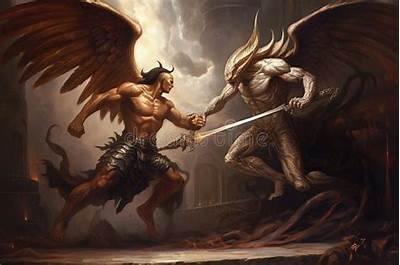
The Modern Manifestation of Angels and Sinners
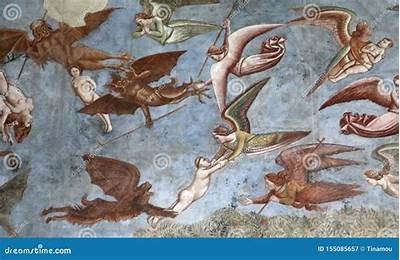
The Role of Angels in Contemporary Society
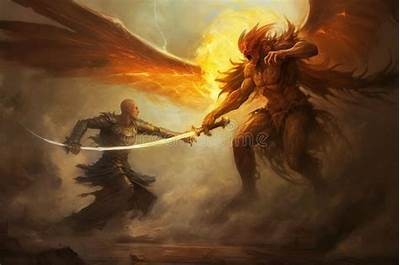
The Sinister Side: Understanding Sinners in the Modern Age
Fiction as a Reflection of the Struggle
The Influence of Technology on Morality
Philosophical Implications: The Nature of Good and Evil
The Role of Religion and Spirituality
Conclusion: Navigating the Eternal Struggle